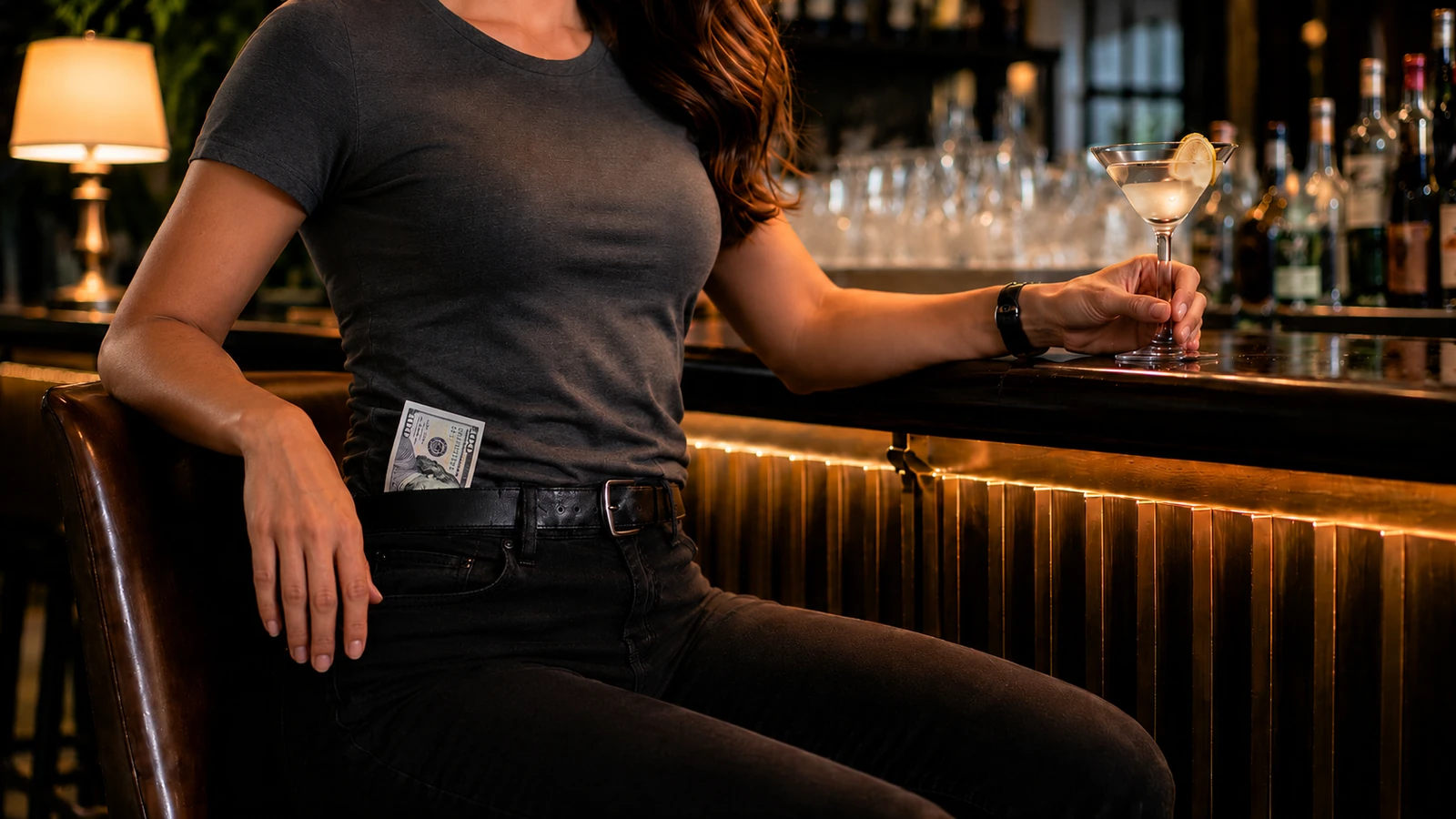
TL;DRCarry a $100 USD reserve in a place separate from your wallet, a hidden inside pocket, the side liner of your bag, or under your phone case. It's emergency funds for the day your wallet gets lost or stolen, when card-only travel suddenly becomes a problem.
Travel is increasingly cashless. Tap-to-pay works in most countries, eSIMs make digital communication seamless, and your wallet contains 90% air. That works until the day it stops working, which is the day your wallet is gone, your cards are locked, and you have no way to pay the taxi to the embassy or the airport.
A separate, hidden $100 USD reserve solves that specific problem. It's not for spending; it's for the 4-hour gap between losing your wallet and having a replacement payment method working. In that gap, $100 USD is universally exchangeable cash that gets you to safety.
Why $100 specifically and why USD
$100 is enough to get you most of the way out of any immediate emergency:
- A taxi from a mid-trip location back to your hotel (typically $20–60)
- A meal and a drink while you sort things out ($15–30)
- A few small bribes-or-tips for hotel staff helping you ($5–20)
- A small reserve for the next 24 hours until banking opens
USD is the answer because it's exchangeable at any moderately sized hotel, currency exchange, or airport in the world, often without ID. Local currency stored in your hidden stash is fine too (and may be safer to spend without raising eyebrows) but USD has the universality of the lowest common denominator.
Where to hide it
The placement matters more than the amount. The reserve must be:
- Not in your wallet. If your wallet is gone, the reserve is gone too.
- Not in your phone case. Same logic.
- Not in your daypack's main compartment. Same logic.
Good options:
- The inside zip pocket of a jacket you wear every day
- A small RFID-blocking sleeve hidden in a different bag than the one with your wallet
- Slid into the elastic waistband of a money belt (only if you wear one)
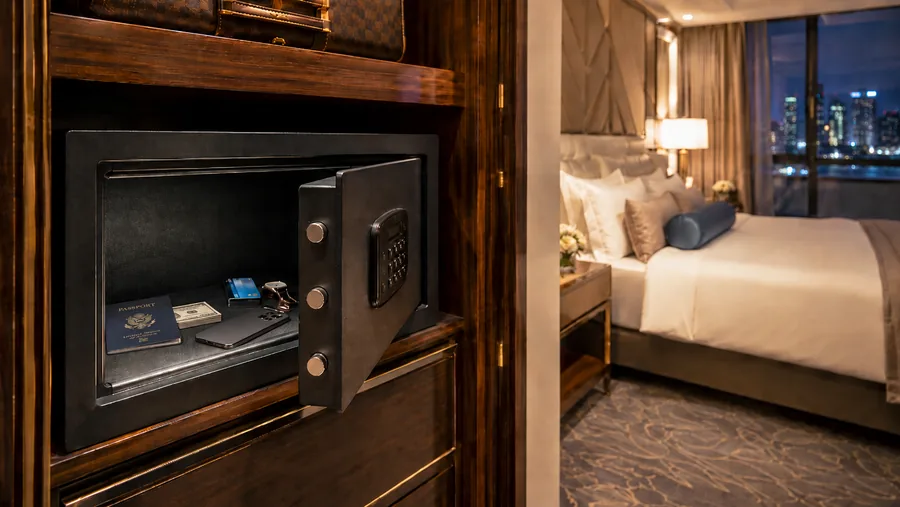
- Hidden inside a passport cover or sleeve in the hotel safe
- Folded inside a glasses case in a luggage liner
The trick: pick a hiding place you'll actually remember when you need it, but that an opportunistic pickpocket wouldn't think to check.
When to use it (and when not)
The reserve is a one-time fix, not spending money. Use it when:
- Your wallet is lost or stolen and you can't access cards
- Your card is frozen by your bank's fraud alert and the bank is closed
- An ATM eats your card and you have no way to access cash
- You need to bribe your way out of an actual emergency (rare, but happens)
Bottom line
The cost is $100 sitting unused for 99% of the trip. The benefit is having a path out of the worst possible 4-hour window in travel. It's the cheapest insurance you can carry in your jacket pocket.