TL;DRUse the in-room safe for your passport, backup cash, and any electronics you're not carrying that day, even at five-star hotels. Hotel theft is overwhelmingly opportunistic, and an unsecured laptop on a desk is the lowest-effort target in housekeeping's path.
Hotel rooms feel private but functionally aren't. Housekeeping, maintenance, room service, and management staff all have access. The vast majority are honest professionals who would never touch a guest's belongings. A tiny minority aren't, and the choice of target is rarely strategic, it's whatever's sitting in plain sight when an opportunity presents itself.
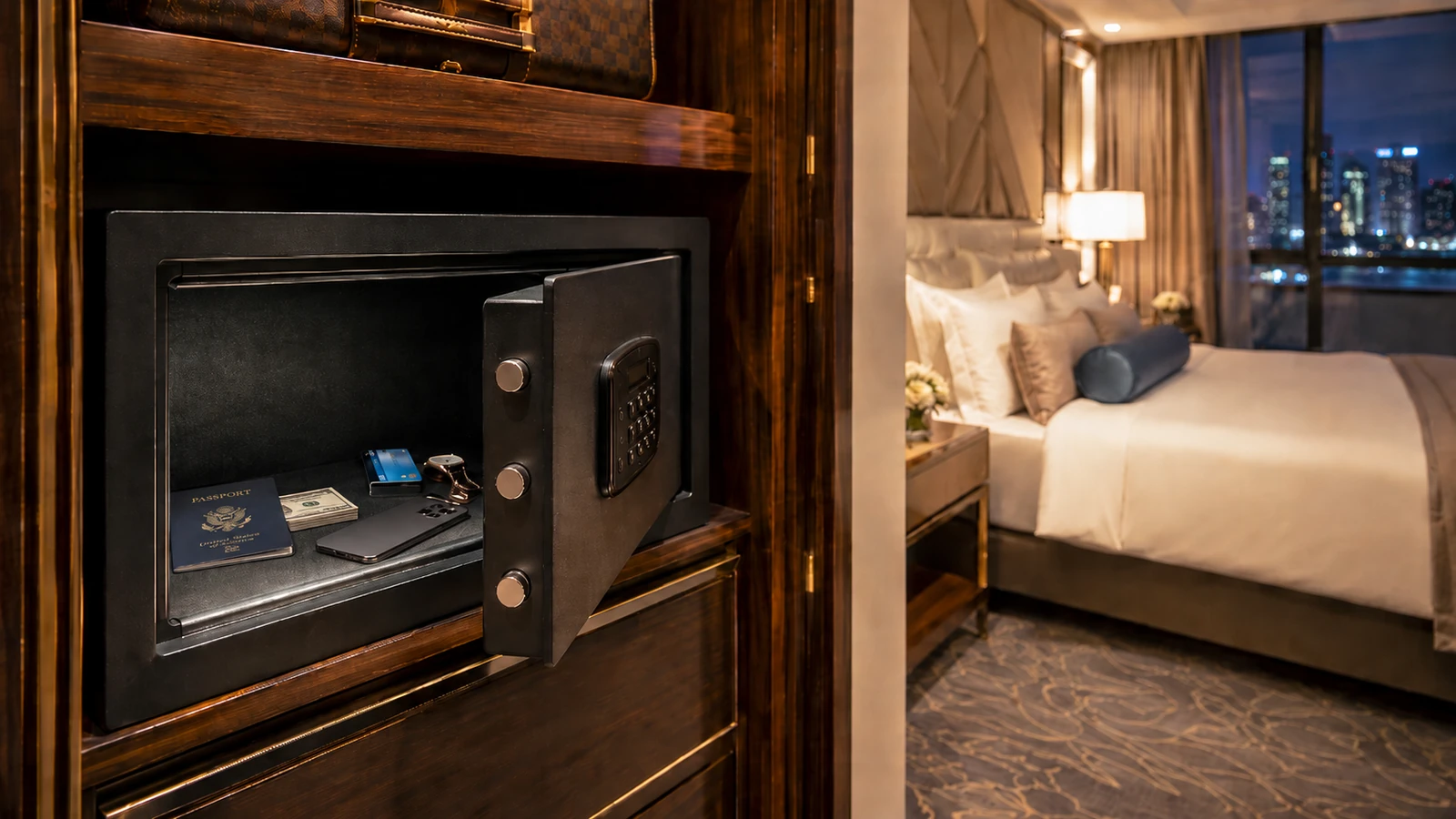
The fix is the safe. Imperfect, occasionally finicky, but consistently better than leaving valuables in the open. Even at the Ritz.
What goes in the safe
- Passport (when you don't need it that day)
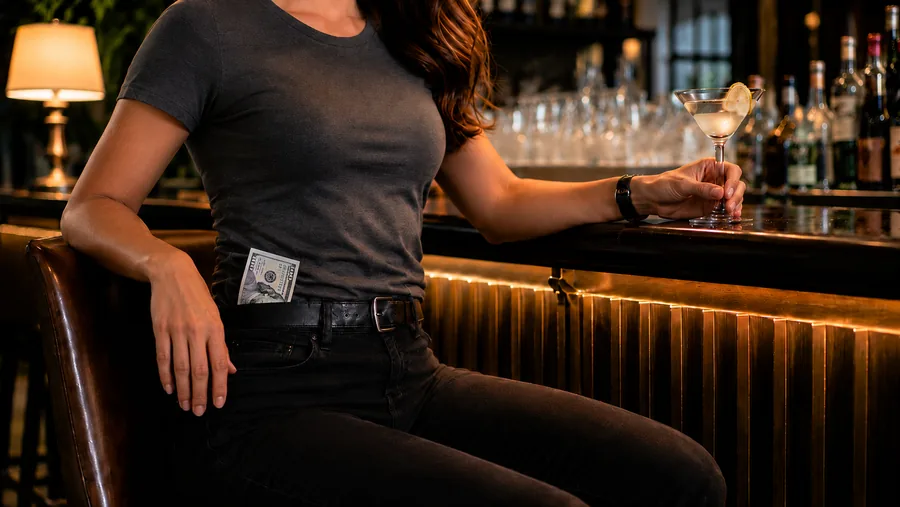
- The $100 hidden cash reserve, if you trust the safe more than your hiding spot
- Spare credit cards you're not carrying
- Jewelry, watches, anything you're not wearing that day
- Laptop, when you're out of the room
- Camera body, when you're not shooting
- Backup phone or kid's tablet
What doesn't go in the safe
- Daily-use items, the friction of unlocking the safe twice a day will train you to leave it open, which defeats the point.
- Liquids that could leak.
- Anything larger than the safe (most are 12×16×8 inches max). Don't try to wedge a 15-inch laptop in; it'll get scratched and the door won't close right.
The master-code myth
Yes, in-room safes have master override codes that hotel security staff use to retrieve guests' belongings when guests forget their PINs or check out. Yes, you can find these codes on the internet for common safe brands. No, this doesn't make the safe useless.
The threat model isn't "an attacker armed with a master code list." The threat model is "an opportunistic theft by someone who has 90 seconds in the room." The locked safe pushes the attacker past their time budget and onto a different target, the iPad on the desk in the next room.
When to use the front-desk safe instead
Most hotels also offer a front-desk safety deposit box, a small locked container in the manager's office. It's harder to access (you have to ask) but harder to defeat. Use it for:
- Backup passports if you're traveling with multiple
- Large amounts of cash you're carrying for a specific purchase
- Valuables you brought but don't expect to wear (engagement ring, watches)
- Anything you'd genuinely lose sleep over if it disappeared
Get a written receipt when you deposit anything. If the hotel doesn't offer receipts, choose a different place to keep it.
Bottom line
Use the safe. It takes 30 seconds. The premise is not "is this safe an impenetrable vault?", it's "would a thief with 90 seconds in the room try to crack this, or move on?" The answer is always "move on." That's enough.