TL;DRSolo female travelers: at hotel check-in, request a room between the 2nd and 7th floors and away from stairwells or service exits. It avoids the ground-floor accessibility most thieves exploit and stays within fire-ladder reach for emergency response.
Hotel room placement is one of those quiet things you can adjust at check-in that meaningfully changes your safety profile. The standard guidance for solo female travelers (though it applies to anyone, frankly) is: not the ground floor, not too high to be reached by emergency vehicles, and not next to obvious access routes that strangers can use without being conspicuous.
The sweet spot is the 2nd through 7th floors of the hotel, ideally not adjacent to stairwells or service corridors.
Why those specific floors
- Ground floor rooms are accessible from outside windows, parking lots, and pool areas. Most opportunistic property crime in hotels happens on ground floors. Skip them.
- Floors 8+ exceed the reach of most municipal fire ladders. Modern hotels have internal stairs and sprinkler systems that mitigate this, but in cities with older buildings or shorter ladder trucks, a high floor can complicate evacuation.
- Floors 2–7 hit the sweet spot: out of reach from outside, within reach of rescue equipment, and high enough that street noise doesn't reach.
What to say at check-in
You don't need to explain the safety logic. A polite, quiet request usually gets the result:
- "Could I have a room between the 2nd and 7th floor if available?"
- "And ideally not next to the stairwell or service elevator."
- "A room with the door visible from the elevator lobby would be ideal."
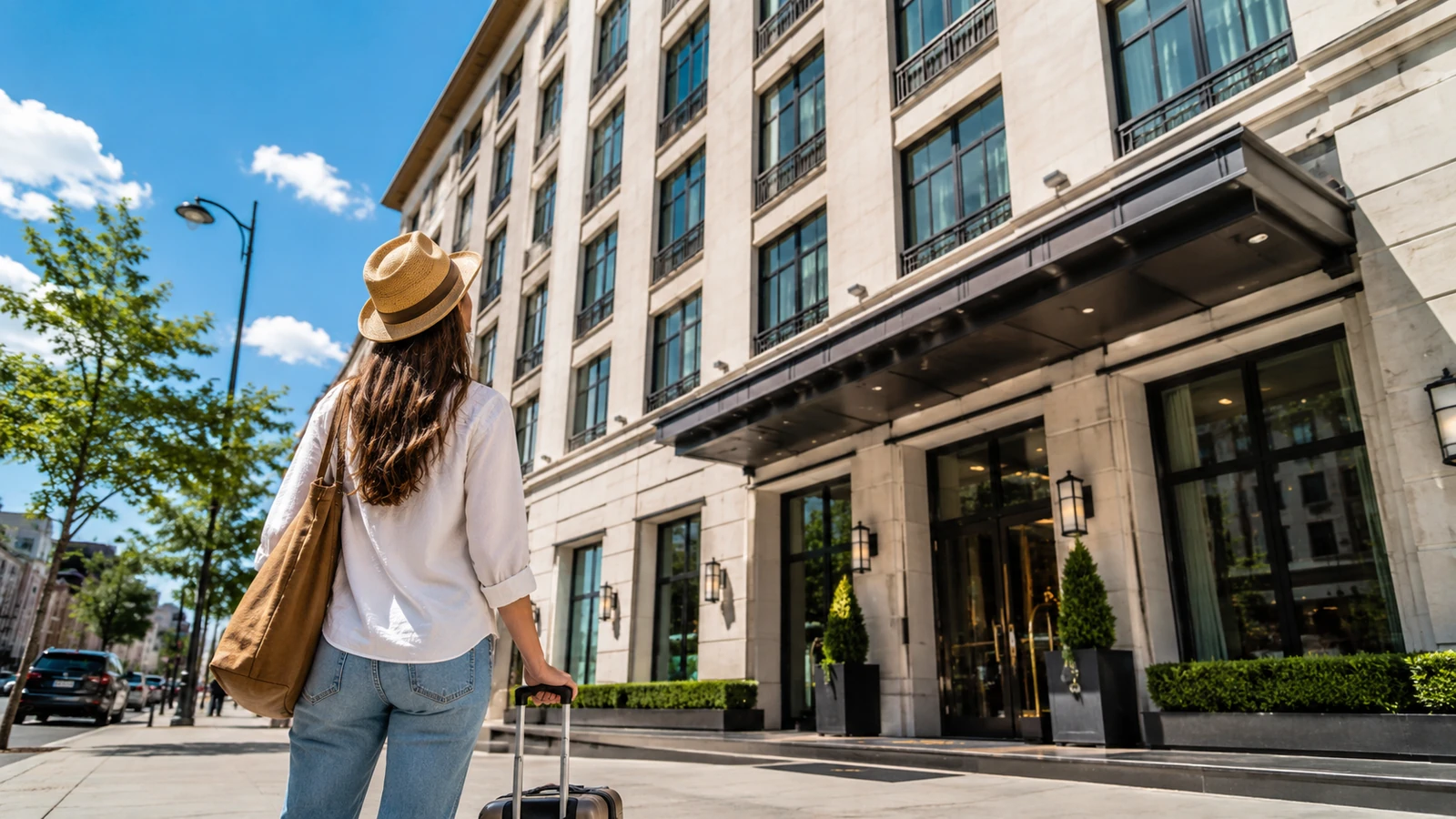
Hotels are generally accommodating, especially if the request is made early in the check-in process before they've assigned a room. Mid-tier and luxury hotels almost always honor reasonable placement preferences; budget hotels with fewer rooms may not be able to.
Other check-in habits worth practicing
- Don't say your room number out loud at the front desk. A polite check-in agent writes it on the key envelope; if they call it out, ask quietly for them to write it down instead. Anyone within earshot is now a security risk.
- Don't post your hotel name on social media in real-time, especially with photos that reveal exterior details. Post after you've checked out.
- Use the chain lock or deadbolt the moment you enter the room, even just for a quick drop-off. Don't open the door for "room service you didn't order" or "an inspection."
- Photograph the room exits, primary door, fire stairs map, and any patio access. If the lights go out, you know the geography.
Bottom line
Floor placement is one of those small advantages that doesn't cost anything and that hotels are happy to provide if asked. Combined with quiet check-in habits, it removes most of the avoidable hotel-related risks for solo travelers. The request takes 15 seconds and pays off on every night of the stay.