TL;DRMany countries require a transit visa even if you never leave the airport, and the airline that boarded you owes you nothing if you're denied entry at the connection. Check transit rules the same day you book your itinerary.
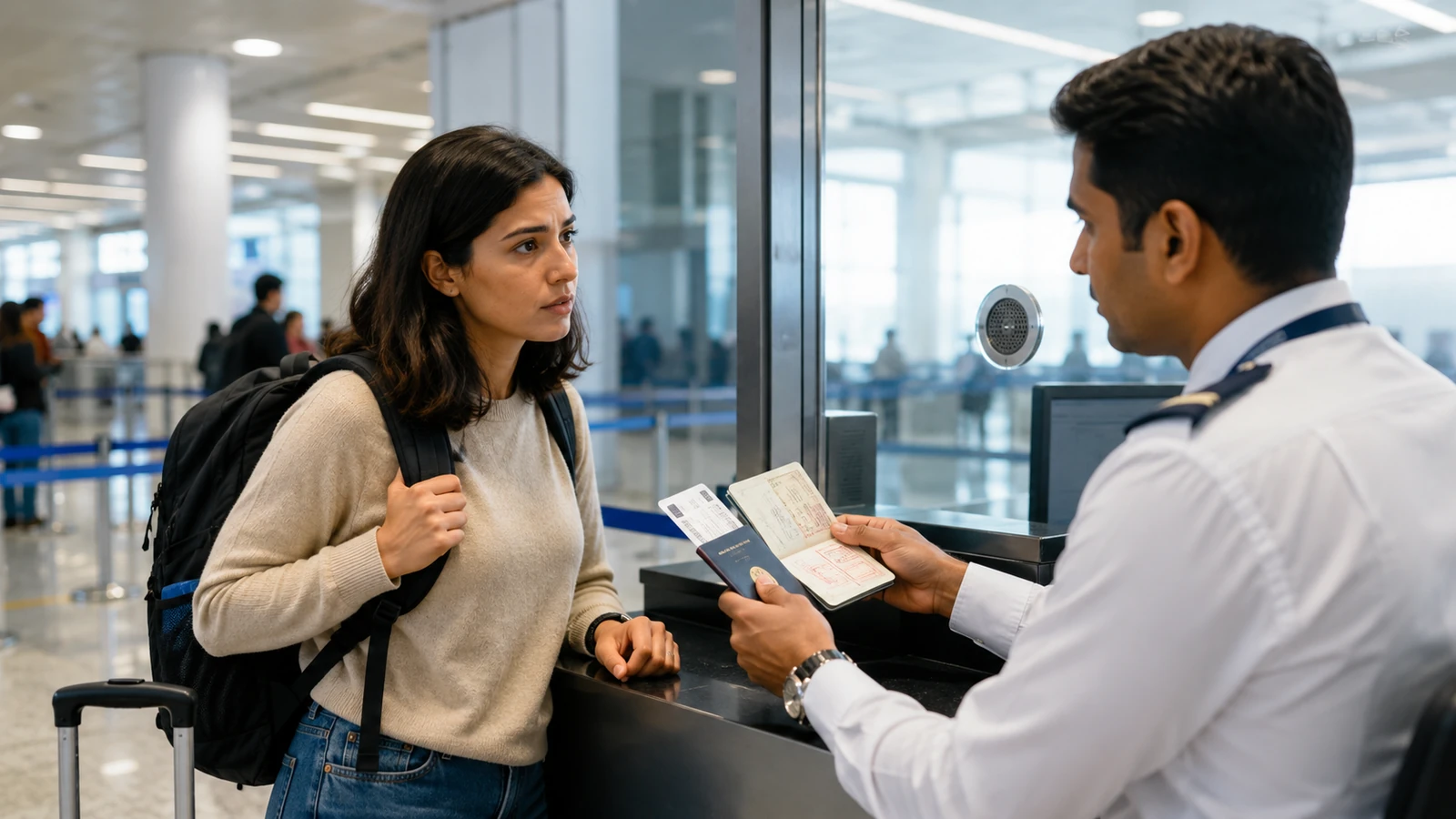
The story is the same every time. A traveler books a great deal on a London–Sydney flight with a layover in Beijing. They land in PEK, walk to the connection, and an immigration officer politely informs them that China requires a transit visa for layovers over the airside-transit allowance and that without one, they're not getting on the next flight. The original airline shrugs, boarding was the booking airport's responsibility. The replacement ticket is $2,300.
Transit visas are the single most missed requirement in international travel. The rules are inconsistent, country-specific, and rarely shown by booking sites. The fix is a 5-minute check before you confirm.
Which countries actually require one
The list changes, but the usual suspects for US passport holders include:
- China · 24/72/144-hour visa-free transit exists for some airports and nationalities, but only when you arrive and depart from the same or specific city and meet onward-ticket rules. Outside the program, a transit visa is required even airside in some cases.
- Russia and Belarus, transit visa required for most non-CIS passport holders unless you stay airside and don't cross immigration; even airside has nationality exclusions.
- UK · Direct Airside Transit Visa (DATV) required for many nationalities even if you never leave the international zone; US passport holders are usually exempt but check by nationality.
- Canada · Transit Without Visa program covers limited routes/nationalities; outside it, you need an eTA or visa even for a connection.
- Australia · Transit Visa (subclass 771) required for most non-exempt nationalities for layovers under 8 hours airside.
- USA, there is no "airside-only" zone at most US airports. You clear US immigration on every connection, which means you need an ESTA or visa just to transit.
How to check before you book
The two official tools that handle 95% of cases:
- IATA Travel Centre at
iatatravelcentre.com/passport-visa-health-travel-document-verification.htm, the same database airlines use at check-in. Enter passport nationality, residence, destination, and transit countries and it returns the actual requirements. This is the single most useful free tool in international travel and almost no one knows about it. - The destination embassy's website for the transit country, the authoritative source if IATA returns something ambiguous.
Do not trust booking sites. They display flight rules, not entry rules, and they rarely warn about transit visa requirements.
If you skipped the check
Apply for the transit visa if there's time. Some are eVisas issued same-day (UK, Australia, India). Others require physical embassy visits and weeks of lead time (China for most, Russia). If lead time is short, the answer is almost always to rebook the routing through a country with no transit requirement.
Bottom line
Five minutes on the IATA Travel Centre after every multi-stop itinerary catches the problem before money is at stake. Make it a habit: book, then IATA-check transit countries before you confirm payment. The "great deal" that routes through a visa-required country usually isn't.