TL;DRWalking your first day in a new city teaches you orientation, neighborhood feel, and surface geography faster than any guidebook. Subway-from-arrival flattens the city into disconnected stops; walking links them.
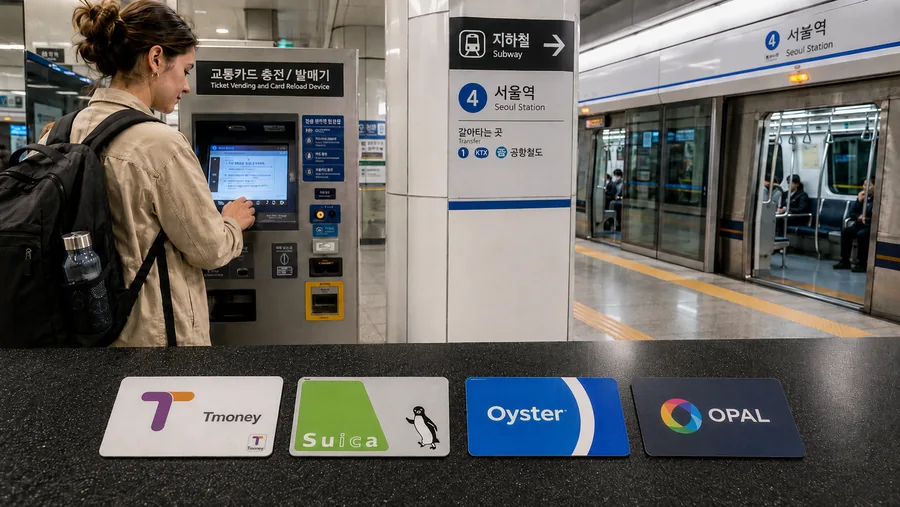
If you arrive somewhere and immediately take the subway from the airport to your hotel to a museum and back, the city becomes a series of unconnected dots. You know the inside of train stations. You don't know the city. Day one's main job (before you do anything "real") is building a mental map of where things are in relation to each other.
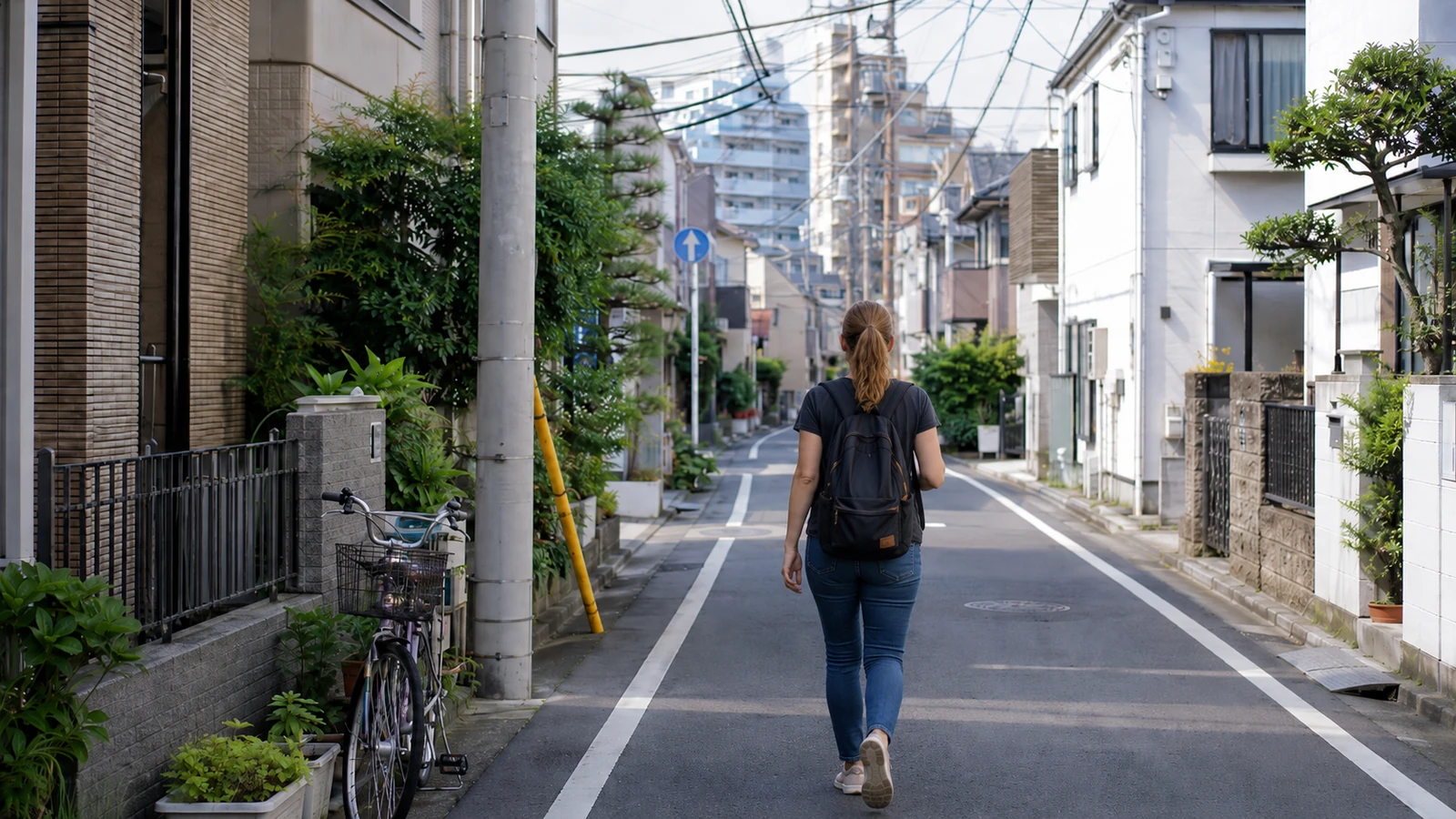
The fastest way to build that map is to walk. Slow, unrushed, with the phone tucked away, for 2–4 hours on the first afternoon.
Why walking specifically
Research on cognitive maps (the mental representations we build of spaces) shows that they form much more reliably from active locomotion than from passive transit. Walking forces you to make decisions at intersections, attend to landmarks, and integrate visual and spatial information. Subway riding does none of these things; you arrive at a stop oriented around a station entrance with no idea what surrounds it.
The trip-long payoff: by day three of a walked-in city, you know that the Marais is 12 minutes east of where you are now, that the river bends here, that this main avenue connects to that one. Restaurants in a guidebook become walkable. Friends' recommendations make sense. Your phone stays in your pocket because you actually know where you are.
How to do it well
- Pick a destination 2–3 km from your hotel in a direction you want to know. A park, a market, a viewpoint. Walking with a vague endpoint beats wandering aimlessly.
- Leave the headphones out, you want to hear the city, not your podcast. A walked city sounds like the city; a podcast-walked city sounds like you forgot to take the headphones off.
- Stop in one small shop or café per kilometer. Buy a small thing. The transactions teach you what the local currency feels like, what coins are used for what, what greetings get returned.
- Look up. Most travelers walk staring at sidewalks or phones. The architectural and ambient detail of a city is at the second-story-and-above level, restaurant signs, balconies, old shop signage. Walk with your eyes elevated.
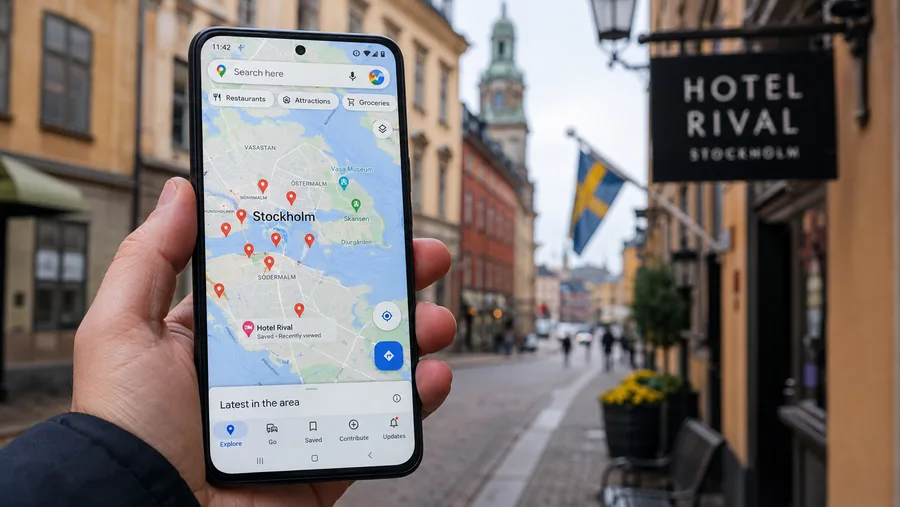
- Note your route in the planner, drop a few pins. The walk becomes a recallable mental loop you can repeat by foot or extend by train tomorrow.
Common pitfalls
Climate and safety matter. Don't walk a 35°C summer afternoon, a snowstorm, or a neighborhood that the State Department's destination page flags as risky. Adjust the timing (early morning or evening in hot climates) and consult local advice on which areas not to wander into.
Bottom line
Skip the subway on arrival. Walk a slow, unrushed route in a direction you want to know. The mental map you build in 3 hours of walking is worth more than the equivalent hours on a guided bus tour, and it makes every subsequent day of the trip easier and more enjoyable.